

Build Your Coffee Flight: A Goose's Guide to Tasting Three Roasts
Coffee tasting does not require a velvet jacket, a ceremonial notebook, or the ability to describe a bean as “expressing a shy top note of rain on a distant hillside.” It simply requires three coffees, a little curiosity, and enough water to keep the experiment hydrated.
A coffee flight is a side-by-side tasting of several coffees. By comparing a light, medium, and dark roast, you can see how roasting changes a cup’s aroma, body, acidity, and finish: four useful ways to describe what you are actually tasting.
The flock recommends starting with our Best Sellers 2oz Sample Pack, which includes six small packs designed to help you explore different origins and roast styles before committing to a full bag.
“I’ve tasted thousands of bad beans so you don’t have to,” says Gerald. “This is the least you can do in return.”
The Flight Plan: Choose Your Three Coffees
For a clean comparison, select one coffee from each roast style:
- Light roast: Look for lively aromas, brighter flavor, and a lighter, tea-like body.
- Medium roast: Expect a balanced cup with sweetness, moderate brightness, and a smooth texture.
- Dark roast: Prepare for deeper cocoa notes, fuller body, and a longer, roast-driven finish.
You do not need all three coffees to come from the same country. In fact, comparing different origins can make the flight more interesting. Just remember that both origin and roast level influence flavor. If you want to focus mainly on roast style, choose coffees with similar origins. If you want a broader tour of the coffee world, let the origins vary and enjoy the scenery from your front porch.
The Best Sellers 2oz Sample Pack offers six coffees to explore, including a dark 6-Bean Blend, a dark-and-medium Cowboy Blend, a medium Breakfast Blend, medium Peru and Mexico single origins, and a medium-dark Bali single origin. Each 2-ounce pack gives you room to brew and compare without filling your cupboard with bags that may or may not suit your morning personality.
Set the Table Without Turning It Into a Laboratory
Keep the brewing method and recipe consistent for all three coffees. Otherwise, you will be comparing the brewer as much as the roast.
Use:
- 0.53 ounces (15 grams) of coffee for each cup
- 8 fluid ounces (240 milliliters) of water for each cup
- Water heated to 200°F (93°C)
- The same grind size for every coffee
- Three identical cups, if possible
- A spoon, clean water, and a notebook
A pour-over, automatic drip brewer, or French press can all work. Choose the method you already understand. This is a tasting flight, not an audition for a coffee equipment catalog.
Brew the coffees one at a time, following the same process each time. Taste them in order from light to medium to dark. Starting with the darkest roast is like opening a marching band in your living room and then asking a flute to make a subtle entrance.
Morton recommends weighing everything twice. He has also weighed the spoon. We stopped asking questions.
Let each coffee cool for a few minutes before making your final notes. Coffee changes as it cools, and some flavors become easier to notice once the heat settles down.
First in the Lineup: The Light Roast
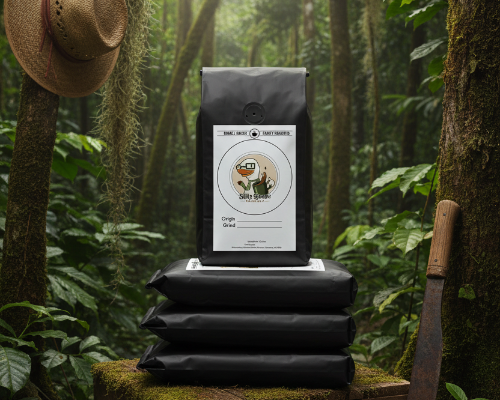
Light roasts tend to preserve more of the coffee’s origin character. They can be bright, floral, fruity, or citrusy, with a lighter texture that feels closer to tea than syrup.
A good example from the flock is Costa Rica Single Origin Light Roast Coffee – Morton’s Connection. Its listed profile includes sweet apple, raisin, and honey: flavors that make a light roast especially enjoyable when brewed with a method that highlights clarity.
Aroma
Smell the coffee before sipping. Look for fresh, high-toned aromas such as:
- Citrus
- Apple
- Berries
- Flowers
- Honey
- Fresh herbs
Do not worry if your first note is simply “coffee.” Your nose is not failing; it is warming up. Smell again after swirling the cup gently.
Body
Light roasts often have a light or delicate body. The cup may feel clean and crisp rather than heavy. Think of the difference between apple juice and a milkshake. Both are legitimate beverages, but only one requires a nap afterward.
Acidity
In coffee, acidity means brightness: not necessarily sourness. A light roast may have a more noticeable, lively acidity that reminds you of citrus, green apple, or berries.
If the cup tastes sharply sour, the issue may be brewing rather than the roast itself. Try using a slightly finer grind or allowing the coffee to brew a little longer.
Finish
Pay attention to what remains after swallowing. A light roast often leaves a clean, crisp finish with fruit, floral, or honey-like notes.
Write down three or four words. “Bright, apple, clean” tells you more than “good,” although “good” remains a respectable beginning.
Next Up: The Medium Roast
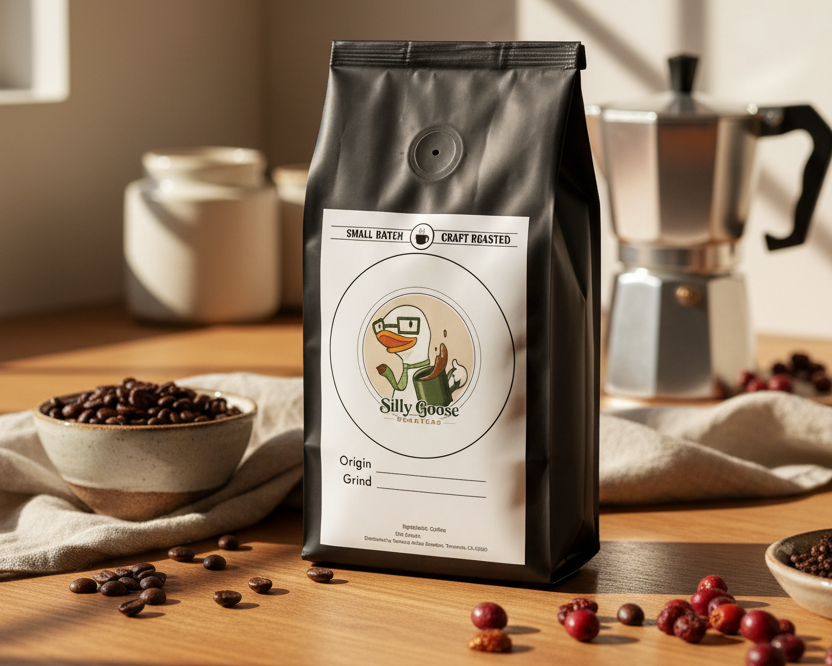
Medium roasts are often the peacekeepers of the coffee world. They can offer sweetness, balance, and enough brightness to stay interesting without demanding a full meeting about it.
Our Colombia Single Origin Medium Roast features tasting notes of dried orange, berry, and chocolate. It is a useful middle point for a coffee flight because it shows how sweetness and brightness can share the same cup without arguing over the remote.
Aroma
Look for aromas such as:
- Caramel
- Brown sugar
- Chocolate
- Nuts
- Dried fruit
- Citrus
Medium roasts may smell warmer and rounder than light roasts. Give the cup a moment, then take a small sip and see whether the aroma matches the flavor.
Body
Expect a medium body: smooth, rounded, and substantial without feeling overly heavy. This is often the texture people mean when they describe coffee as balanced.
Acidity
Medium-roast acidity is usually moderate. It may show up as orange, berry, apple, or another gentle brightness, but sweetness and roast character are more present than they are in many light roasts.
Finish
A medium roast often leaves a sweet, rounded finish. Look for chocolate, caramel, citrus, or mild nuttiness that lingers comfortably.
If the light roast is the opening act and the dark roast is Gerald arriving late with opinions, the medium roast is the dependable host who makes sure everyone has a chair.
Bring Up the Rear: The Dark Roast
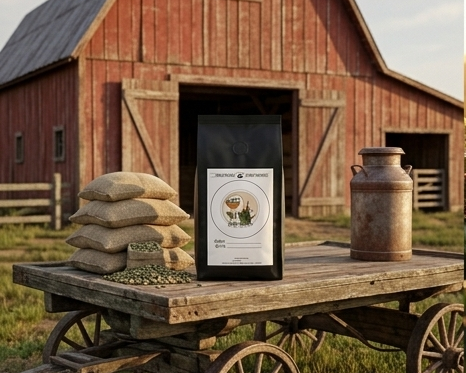
Dark roasts are built around depth and intensity. The roasting process brings forward bold flavors such as cocoa, caramel, spice, and smoke. Dark coffee can also work especially well with milk, sugar, espresso, and brewing methods that favor a fuller cup.
Our Italian Dark Roast Coffee – Arabica/Robusta Blend offers deep chocolate and caramel notes with a hint of smokiness. It has a rich body and smooth finish, making it a fitting final stop for your flight.
Aroma
Look for deeper aromas, including:
- Cocoa
- Dark chocolate
- Caramel
- Toasted spice
- Molasses
- Smoke
Dark-roast aroma can be powerful, so take your time. You are tasting coffee, not attempting to identify a campfire from three counties away.
Body
Dark roasts commonly have a fuller, heavier body. Depending on the brewing method, the texture may feel creamy, rich, or syrupy.
Acidity
Dark roasts generally have lower perceived acidity. The cup may feel smoother and rounder, although too much extraction can bring out bitterness.
If the coffee tastes harsh or burnt, adjust the brewing rather than blaming the entire roast category. Use slightly cooler water, a coarser grind, or a shorter brewing time.
Finish
Expect a longer, bittersweet finish with cocoa, caramel, smoke, or roast notes. The flavors may linger well after the cup is empty, which is useful if you enjoy coffee that insists on having the final word.
Gerald, naturally, considers this a personal strength.
Compare the Cups Like a Professional Goose
Use this simple chart as you taste:
| Roast style | Aroma | Body | Acidity | Finish |
|---|---|---|---|---|
| Light | Floral, citrus, fruit, honey | Light and delicate | Bright and lively | Clean, crisp, often fruit-forward |
| Medium | Caramel, chocolate, nuts, dried fruit | Smooth and balanced | Moderate and rounded | Sweet, chocolatey, gently lingering |
| Dark | Cocoa, spice, caramel, smoke | Full and rich | Lower and softer | Long, bittersweet, roast-driven |
These are helpful patterns, not strict laws. Coffee is influenced by origin, variety, processing, brewing, and your own palate. One light roast may taste like stone fruit, while another may lean floral or herbal. A dark roast can be smoky and bold without being bitter when it has been expertly roasted and brewed well.
Write Better Tasting Notes
For each coffee, record four things:
- Aroma: Write three words before you sip.
- Body: Choose light, medium, or full. Add “tea-like,” “silky,” or “creamy” if helpful.
- Acidity: Describe the brightness as citrusy, juicy, soft, lively, or low.
- Finish: Note what lingers and how it feels.
Try not to rank the coffees too quickly. Instead, ask:
- Which cup would you drink first thing in the morning?
- Which one would pair best with breakfast?
- Which one would you serve after dinner?
- Which roast would you brew with milk?
- Which flavor surprised you?
Taste each coffee plain first. Add milk or sugar afterward if that is how you normally drink it. A tasting flight is not a loyalty oath to black coffee. We take quality seriously, not beverage uniforms.
For more brewing guidance, visit The Flock’s Brewing Guide, then explore the full Silly Goose coffee collection.
Find Your Favorite Wing of the Flock
The best roast is not the one someone else declares superior. It is the one that fits your palate, your brewing routine, and the kind of morning you are having.
Start with the Best Sellers 2oz Sample Pack to compare several coffees at home. Taste light, medium, and dark styles side by side. Take a few notes. Invite a friend. Argue politely about the finish.
Then choose the full-size coffee that earns a permanent place in your kitchen.
“You have now learned to taste three roasts,” Gerald says. “Try to remain humble.”